
- Vivo launched the flagship X500 series of phones, with three new models
- A new monitoring screen comes in the X500 Pro Max photographer’s kit, or it can be purchased separately
- At launch, all the phones and accessories are China-only, with a wider rollout TBD
Vivo quietly launched a really neat accessory alongside its new flagship X500 series of phones — an ultra-slim and light Bluetooth monitoring touchscreen — and, having paired it with the new X500 Pro Max, I wish it were compatible with my phone.
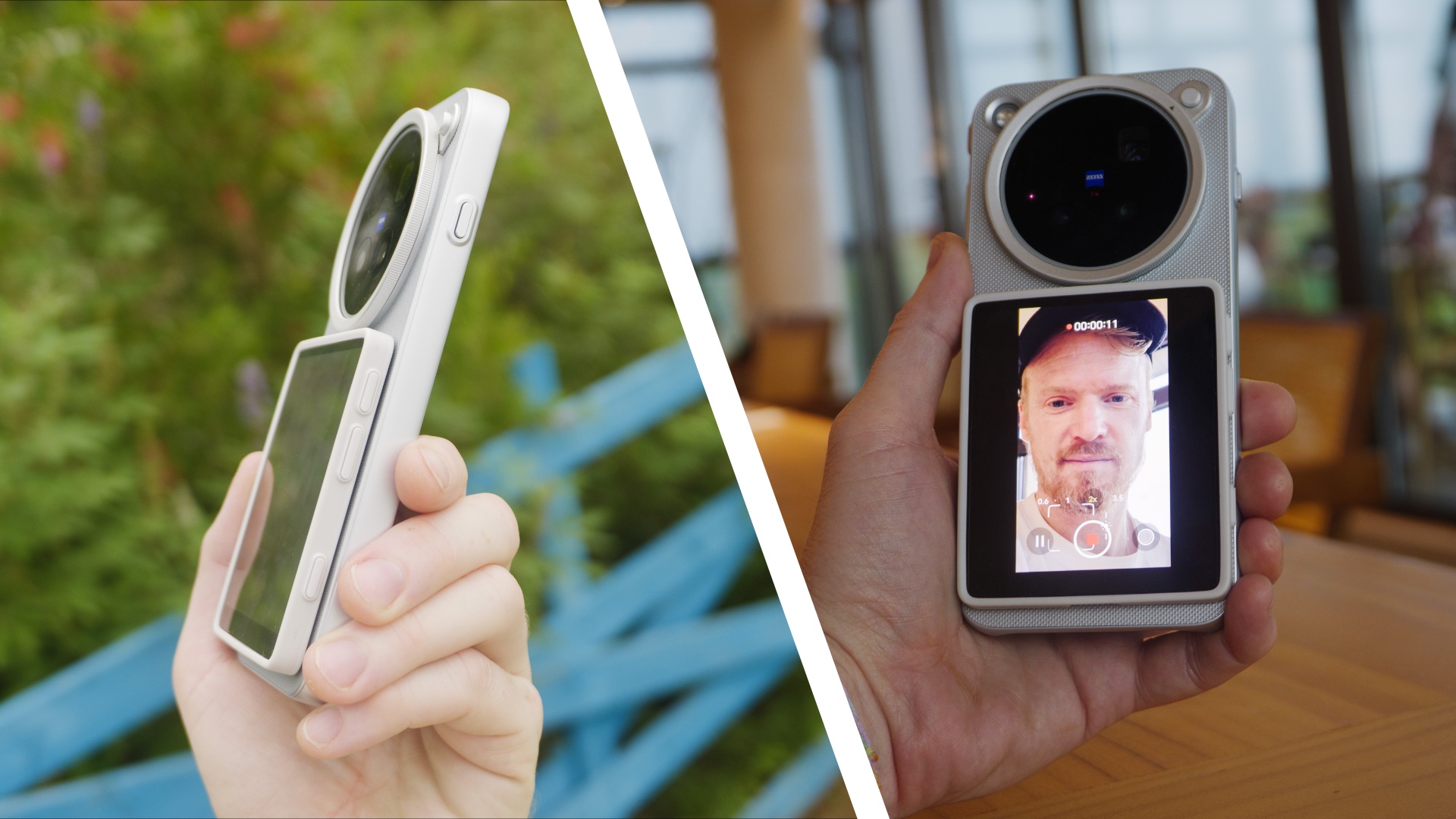
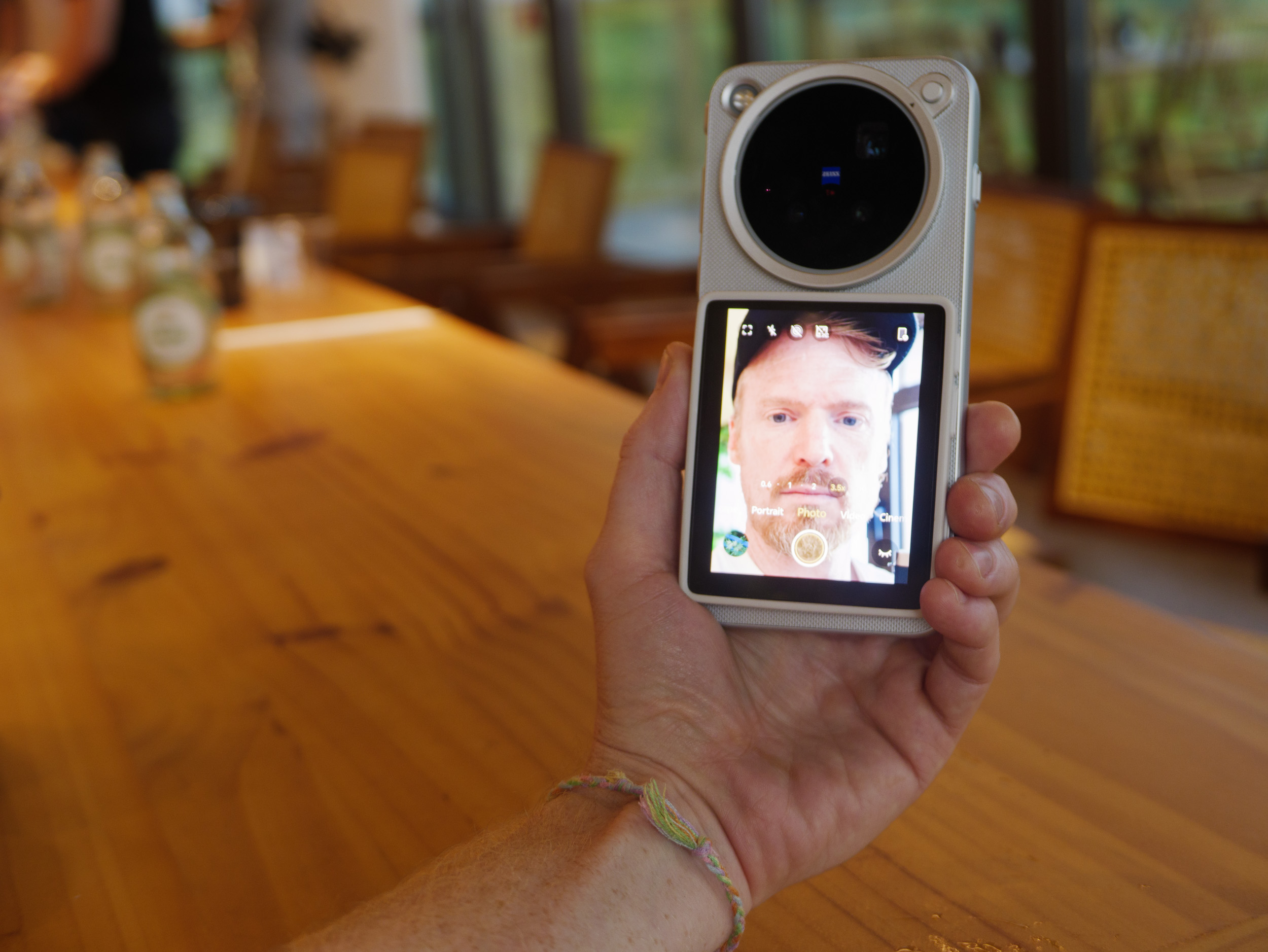
The monitoring touchscreen, aka a selfie screen, mirrors your phone’s camera app, complete with touchscreen control over key camera settings and subject tracking, and can be attached to the phone magnetically or used as a remote monitor within its Bluetooth range.
Why not just use your phone’s selfie camera instead, you ask? Well, the quality of the rear-facing selfie camera is always inferior to the front-facing cameras, as are the camera settings available.
A selfie screen, on the other hand, unleashes the device’s superior front cameras — in the case of the Vivo X500 Pro Max, a triple array including a 50MP main camera and a 200MP 3.5x telephoto camera.
We’ve seen this kind of selfie screen tech before; Insta360’s Snap Selfie Screen comes to mind. However, it needs a cable to connect to a phone, it has an annoying protective cover that flaps around when the screen is in use, and the display is smaller and harder to see. The new Vivo accessory, however, is better and more sophisticated in every way.
Image 1 of 5
(Image credit: Tim Coleman)
The best mobile accessory for 2026 so far?
Vloggers should take note of Vivo’s new selfie screen. For one, it can snap onto the device magnetically, or be used by hand, so long as a Bluetooth connection is possible. No cable needed.
Used as a remote monitor, you can position your phone somewhere, say, on a tripod, and then walk into the shot and see what your phone is seeing, no cameraperson needed. (Great for group photos as well, by the way.)
It’s clearly a trend — the Insta360 Luna Ultra vlogging camera features a removable touchscreen and controller module (which also has a built-in mic), while DJI launched a remote controller with a screen for its Pocket 4 series.
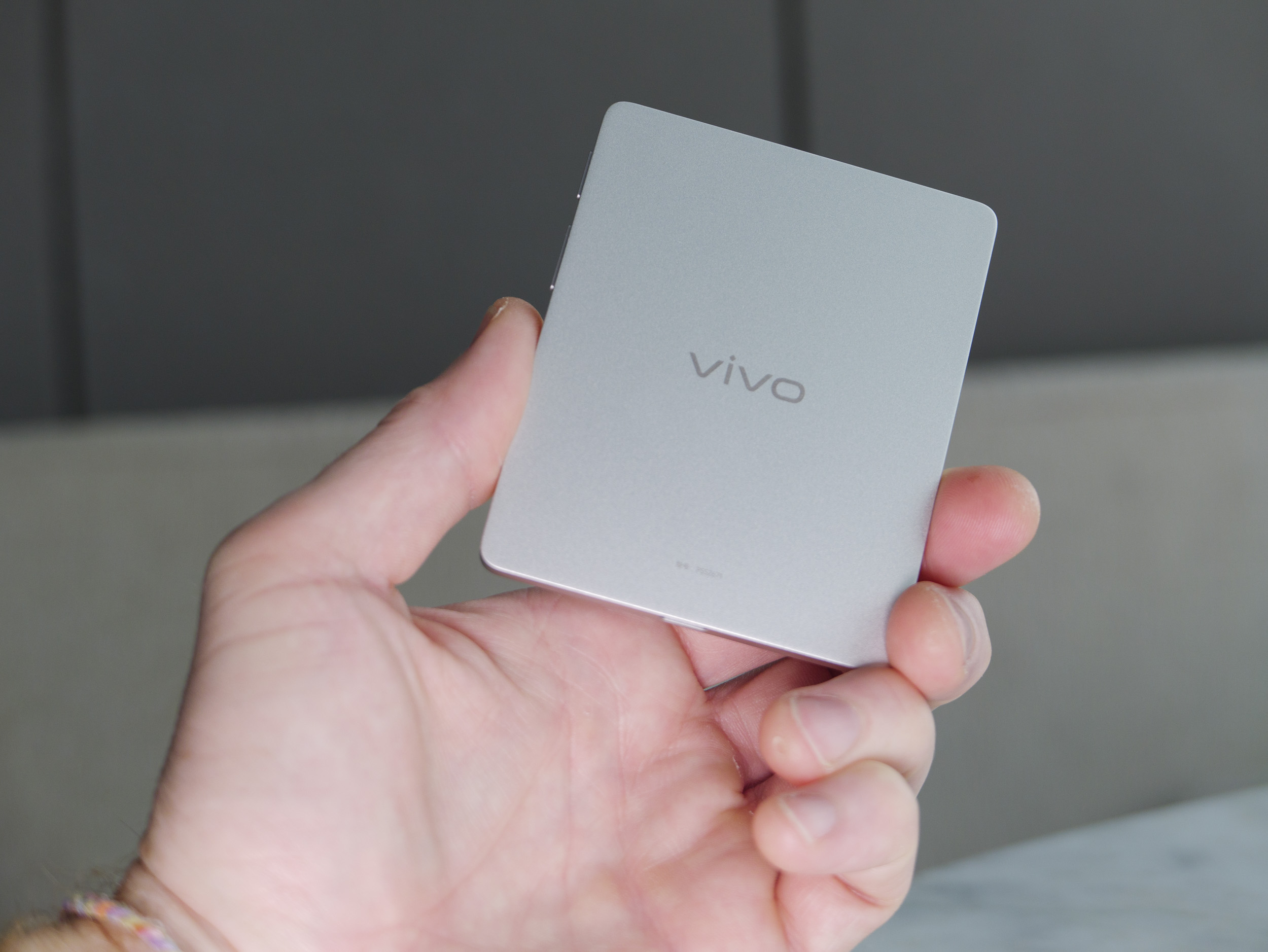
Whether used remotely or attached magnetically, the Vivo selfie screen’s 3.92-inch AMOLED display with 419 pixels per inch (PPI) is clear and crisp. It’s also super light and thin, measuring just 5.65mm thick and weighing 68g — you’ll barely feel it on the phone.
Image 1 of 6
(Image credit: Tim Coleman)
It has a USB-C port for charging, plus three side buttons, including a recording button and one for adjusting the screen’s brightness levels. Otherwise, that’s it.
What’s unclear at this stage is which devices are compatible with the monitoring screen, besides the Vivo X500 series, if any.
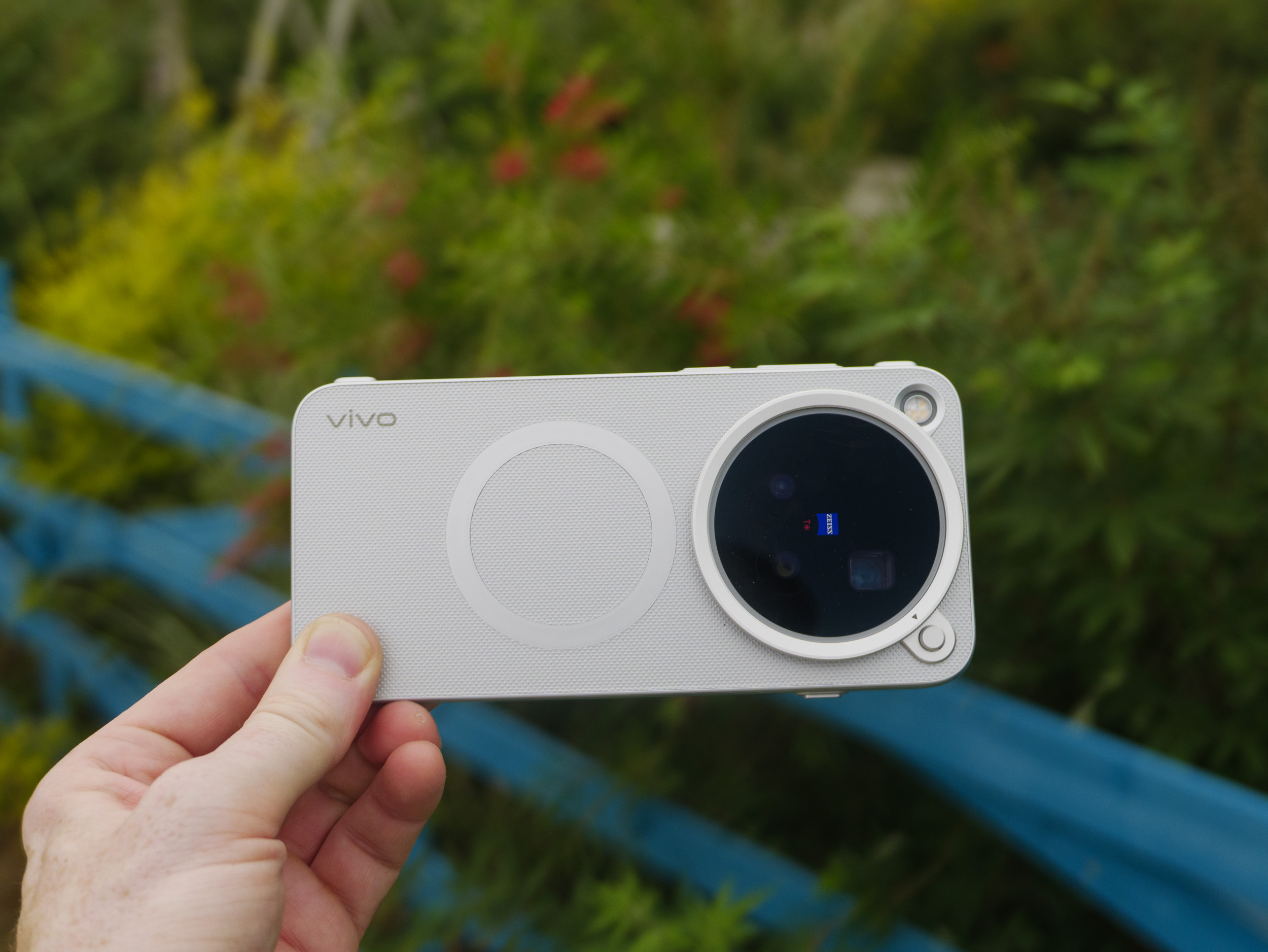
There’s one major drawback to using it with the Vivo X500 Pro Max — neither device is MagSafe, meaning you need a dedicated case for the phone and monitor for them to stick together!
Vivo sells a case (and the monitor) separately, or they’re included in a photographer’s kit which also includes two teleconverter lenses. Meanwhile, the monitor is supplied with a magnetic MagSafe-style rubber case. Vivo says the monitor costs 699 Chinese Yuan (a price conversion is $105 / £78 approximately, though international pricing will be higher).
Image 1 of 2
(Image credit: Tim Coleman)
Compared to the other similar devices I’ve tried, I found the Vivo vlogging monitor lighter, has a clearer display, and I appreciated its wireless connectivity, with options for remote or MagSafe-styler setups.
If you ever shoot selfie content and wish you could more easily use your phone’s superior front camera, then a selfie screen is a great option, and Vivo looks like it has just made the best one. If it turns out to be compatible with your device, then it could be the best phone accessory you buy all year — I’ll update this page once I know more about the availability and compatibility of the screen.
Follow TechRadar on Google News andadd us as a preferred source to get our expert news, reviews, and opinion in your feeds.